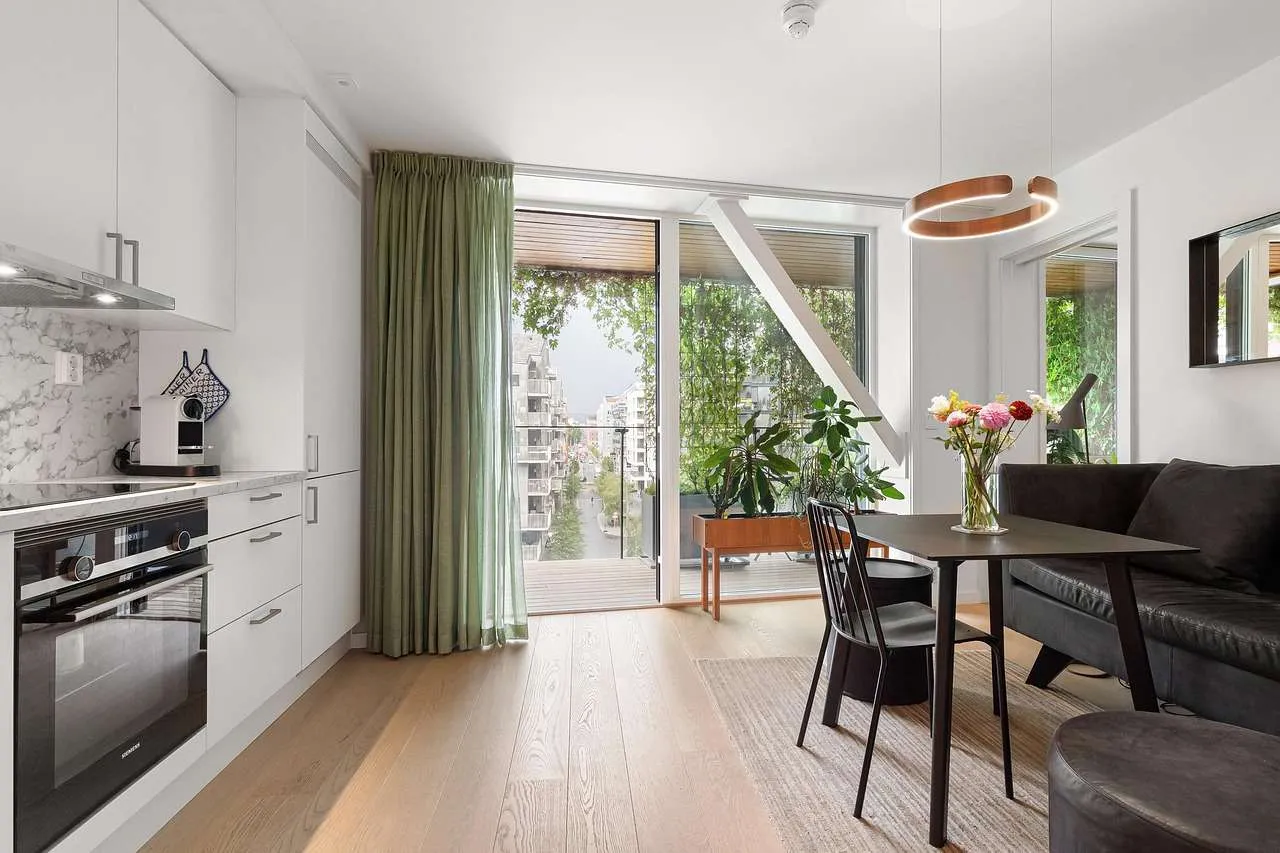
What is home window tinting?
Home window tinting involves applying a thin film to interior window surfaces to reduce glare, block UV rays, and minimize heat transfer. Modern films come in a range of shades and technologies, delivering advantages for comfort, energy savings, and interior protection. For most households, hiring a certified installer ensures proper fit, warranty coverage, and long-term performance.
Benefits of home window tinting
Tinted windows offer several practical benefits:
- UV protection: Blocks up to 99% of ultraviolet radiation, helping to prevent fading of furnishings and reducing skin exposure risk.
- Heat reduction: Diminishes solar heat gain, keeping rooms cooler and reducing cooling loads in hot climates.
- Glare control: Reduces harsh reflections on screens and surfaces, improving comfort for work and leisure.
- Privacy: Improves daytime privacy without sacrificing exterior light, depending on film shade and type.
- Safety and security: Some films hold glass together if shattered, providing an extra layer of protection.
- Energy efficiency and cost savings: Lower cooling demand can translate to reduced energy bills and improved resale value over time.
Types of window tint films
Window films vary by materials and performance. Choosing the right type depends on your climate, home design, and budget.
| Film Type | How it works | Best use cases | Pros | Cons | Typical VLT |
|---|---|---|---|---|---|
| Dyed window film | Colored layer absorbs heat and light | Budget projects, single-room upgrades | Low cost, good glare reduction | Colors can fade over time; lower heat rejection than advanced films | 25–75% |
| Metalized/reflective film | Thin metal layer reflects a portion of solar energy | Areas with strong sun exposure, exterior-facing windows | Excellent heat rejection, added strength | Possible signal interference for electronics; more reflective | 5–60% |
| Ceramic film | Non-metallic ceramic particles block heat without reflection | Homes seeking strong performance with minimal glare | High heat rejection, non-reflective, durable | Higher upfront cost | 25–70% |
| Carbon film | Carbon particles reduce infrared heat without mirror effect | Modern aesthetics, energy-conscious homes | Non-reflective, good IR heat control | Can be pricier than basic dyed films | 35–65% |
Choosing the right tint for your home
Key considerations help you select a film that meets comfort, aesthetics, and local regulations:
- Climate and orientation: South- or west-facing windows benefit from higher heat-rejecting films; cooler climates may prioritize UV protection and glare control.
- Privacy vs. daylight: Lighter VLT films preserve daylight while adding daytime privacy; darker shades offer more opacity but reduce natural light.
- Visible light transmission (VLT): A measure of how much light passes through. Higher VLT values keep rooms brighter; lower values increase privacy and glare reduction.
- Aesthetics and hardware: Some films complement modern frames without creating a mirrored look; check for compatibility with existing window hardware and sensors.
- Legal and warranty considerations: Local laws may limit reflectivity; many films come with manufacturer warranties and require professional installation to preserve coverage.
Professional installation vs. DIY
For most homeowners, professional installation ensures a streak-free finish and long-term warranty. Trained installers validate window compatibility, prepare glass surfaces, apply the film with precision, and perform post-installation checks. DIY kits can be an option for small projects, but they carry risks of bubbles, peeling, and reduced warranty coverage. When selecting a contractor, request certifications, references, and an explicit warranty on both film and installation.
Maintenance and care
Care extends the life of tinted films. Avoid ammonia-based cleaners, which can degrade film over time. Use mild soap and water or a specialist window-cleaning solution, and wipe with a soft microfiber cloth. Prevent scrapes by avoiding abrasive tools near the film, and address any edge peels promptly by consulting your installer for re-sealing options.
Costs and return on investment (ROI)
Prices vary by film type, window size, and labor. Typical residential projects may range from $5 to $15 per square foot installed, with premium ceramic or carbon films costing more upfront. ROI comes from energy savings during hot seasons, reduced glare on screens, and potential improvements in furniture longevity. A professional assessment can provide a personalized forecast based on climate, window orientation, and home size.
Frequently asked questions
Will window tinting affect natural light?
Most films reduce a portion of visible light, but high-quality ceramics and carbon films preserve daylight while still cutting glare and heat. Your choice of VLT determines the brightness level inside your home.
Can window tinting keep my home cooler in summer?
Yes. By limiting solar heat gain, tinted films can lessen the load on air conditioning and improve overall comfort in sunny rooms.
Is tinting a good option for privacy?
Tinted films enhance daytime privacy. For nighttime privacy, consider combining tint with window coverings or opt for a film with higher opacity in the chosen shade.
Maintenance considerations and warranties
Ask about product warranties, installation guarantees, and whether the installer offers service for edge bubbles or separation. Warranties may vary by film type and region, so review terms carefully before purchase.
Conclusion, home window tinting can improve comfort, protect interiors from UV damage, and boost energy efficiency when you choose the right film and rely on a qualified installer. Assess your climate, light needs, and local regulations, compare film types, and plan for maintenance to maximize comfort and value.