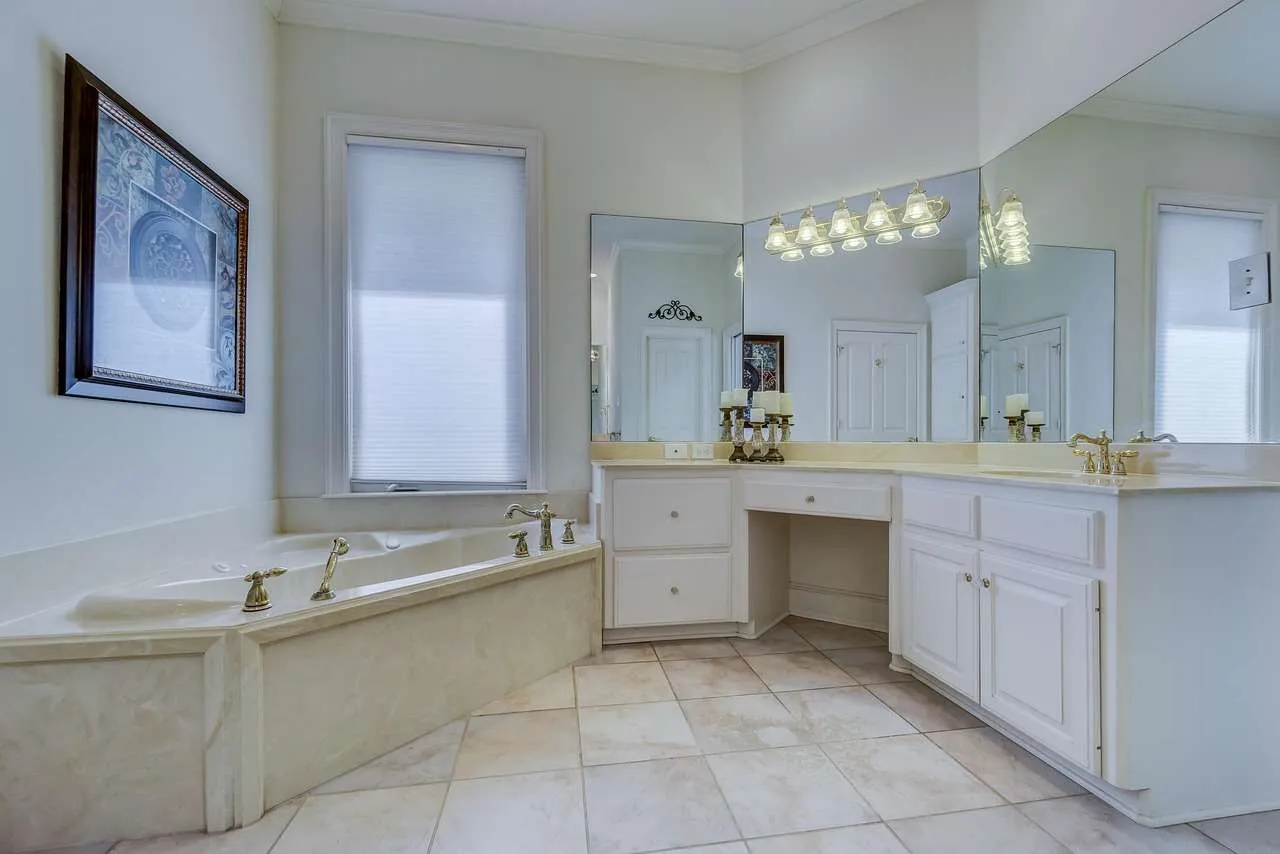
As a seasoned design professional with years of experience in bathroom renovations, I know that tile choice can define both the look and longevity of a space. This guide blends technical insight with practical tips to help homeowners and designers select bathroom tile that performs in daily life while supporting a cohesive style. You’ll learn how material, finish, size, and layout interact with water exposure, cleaning routines, and budget.
Understanding bathroom tile: durability and suitability
Tiles are rated for water absorption and wear. Porcelain has very low water absorption and high density, making it ideal for wet areas. Ceramic is versatile, often more affordable, and available in countless colors and patterns, but it is slightly less resistant to heavy wear. Natural stone—such as marble, travertine, and slate—offers luxury and unique veining but requires sealing, more maintenance, and periodic resealing. Glass tiles add sparkle and light reflection but can show water spots and require precise installation. When selecting tile, consider both the environment (shower enclosure, floor, wall) and your maintenance tolerance.
Ceramic vs Porcelain tile
Porcelain tiles are a dense form of ceramic with very low porosity, typically performing better in wet, high-traffic areas. Ceramic tiles are easier to cut and install, and they come in a broad range of patterns, colors, and textures. For showers, floors, and exterior-facing bathrooms, porcelain is generally preferred for durability and long-term performance, while ceramic remains an excellent, cost-effective choice for walls and light-traffic surfaces.
Natural stone and glass tiles
Natural stone brings unmistakable character—bold veining in marble or subtle variations in slate. Stone requires sealing to resist stains and moisture and may need specialized cleaners. Glass tiles reflect light to brighten small bathrooms and create a contemporary look, but they show water spots and grime more readily and can be slippery when used on floors without an appropriate texture or slip rating.
Finishes and textures
Finishes range from high-gloss to matte and from smooth to textured. Glossy tiles amplify light and make smaller rooms feel brighter, but they reveal water marks and smudges more readily. Matte and textured finishes hide fingerprints and some stains better, and they often feel more slip-resistant, especially in wet areas. In shower surrounds, consider anti-slip additives or textured surfaces to improve safety without sacrificing style.
Sizes and layouts
Common tile sizes include 4x4, 6x6, 12x24 inches, and large-format sheets. Layouts such as grid, offset (staggered), and herringbone influence the perception of space. Large-format tiles reduce grout lines, creating a cleaner look and easier maintenance, while smaller mosaics offer more grout for grip and can adapt to curved showers. When planning a layout, balance aesthetic goals with substrate straightness and cutting practicality.
Practical guidance for choosing tiles
Small bathrooms and layout tricks
In compact bathrooms, light colors and consistent flooring across surfaces can visually enlarge the space. A diagonal or vertical layout can add depth, while using the same tile on walls and floors creates a cohesive, seamless feel. Consider a feature strip or niche using a contrasting tile to add interest without overwhelming the room.
Color and style coordination
Neutral palettes with subtle textures provide a timeless base that works with various fixtures. For personality, add an accent color through a border, mosaic insert, or a bold shower wall. Matching the tile with cabinetry hardware and bathroom fixtures creates a balanced, curated look that stays relevant longer than trend-driven finishes.
Maintenance and installation basics
Natural stone requires sealing before grouting and periodic resealing to protect against stains. Choose grout colors carefully; darker grouts can disguise stains but may require more frequent cleaning in humid areas. For installation, assess subfloor and waterproofing needs; professional installation is advised for complex patterns or large-format tiles to prevent lippage and ensure grout integrity. Regular cleaning with pH-neutral products preserves color and finish over time.
Ttile options at a glance
| Tile Type | Pros | Cons | Best Uses |
|---|---|---|---|
| Ceramic | Affordable, versatile designs | Less durable than porcelain | Walls, light-traffic floors |
| Porcelain | High durability, low water absorption | Higher cost, harder to cut | Shower floors, wet areas |
| Natural Stone | Luxurious look, unique veining | Sealing and maintenance required | Showers, premium floors |
| Glass | Bright, reflective, modern | Can show water lines, slippery when wet | Backsplashes, accents |
Budgeting and planning
Estimate tile costs per square foot or meter, then add 10-20% for waste and additional materials. Common ranges include ceramic ($1–$5/ft²), porcelain ($3–$8/ft²), and natural stone ($10–$30/ft²), with installation often billed separately. Factor in underlayment, waterproofing, adhesive, grout, sealant, and potential labor costs. For higher durability and reduced maintenance, porcelain or stone with proper sealing can offer long-term value, whereas ceramic provides flexibility for design at a lower upfront price.
Conclusion
Choosing the right bathroom tile involves balancing durability, maintenance, and design. By understanding tile types, finishes, layouts, and installation considerations, you can create a bathroom that remains stylish and functional for years.
Summary, this guide covers tile types, layouts, maintenance, and budgeting to help you choose bathroom tile that combines form and function for years to come.