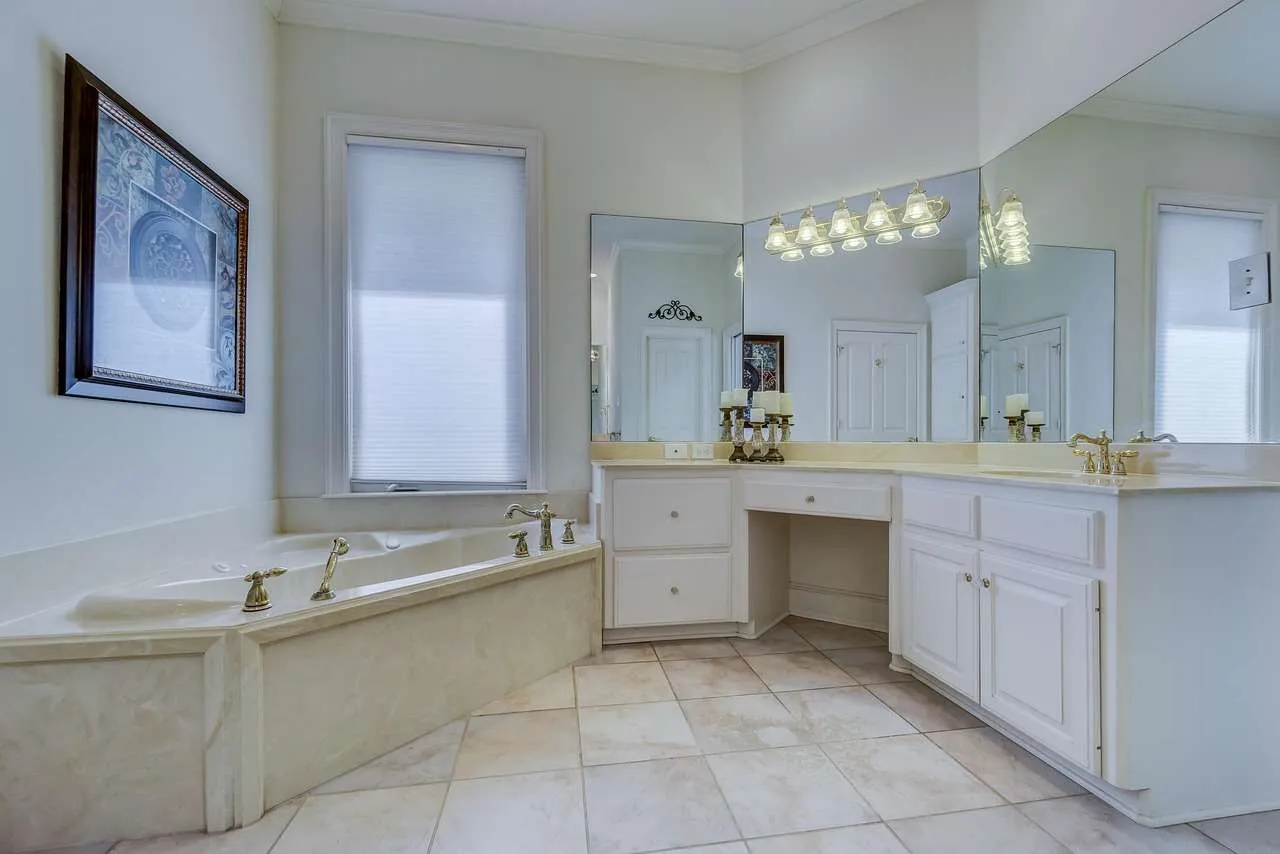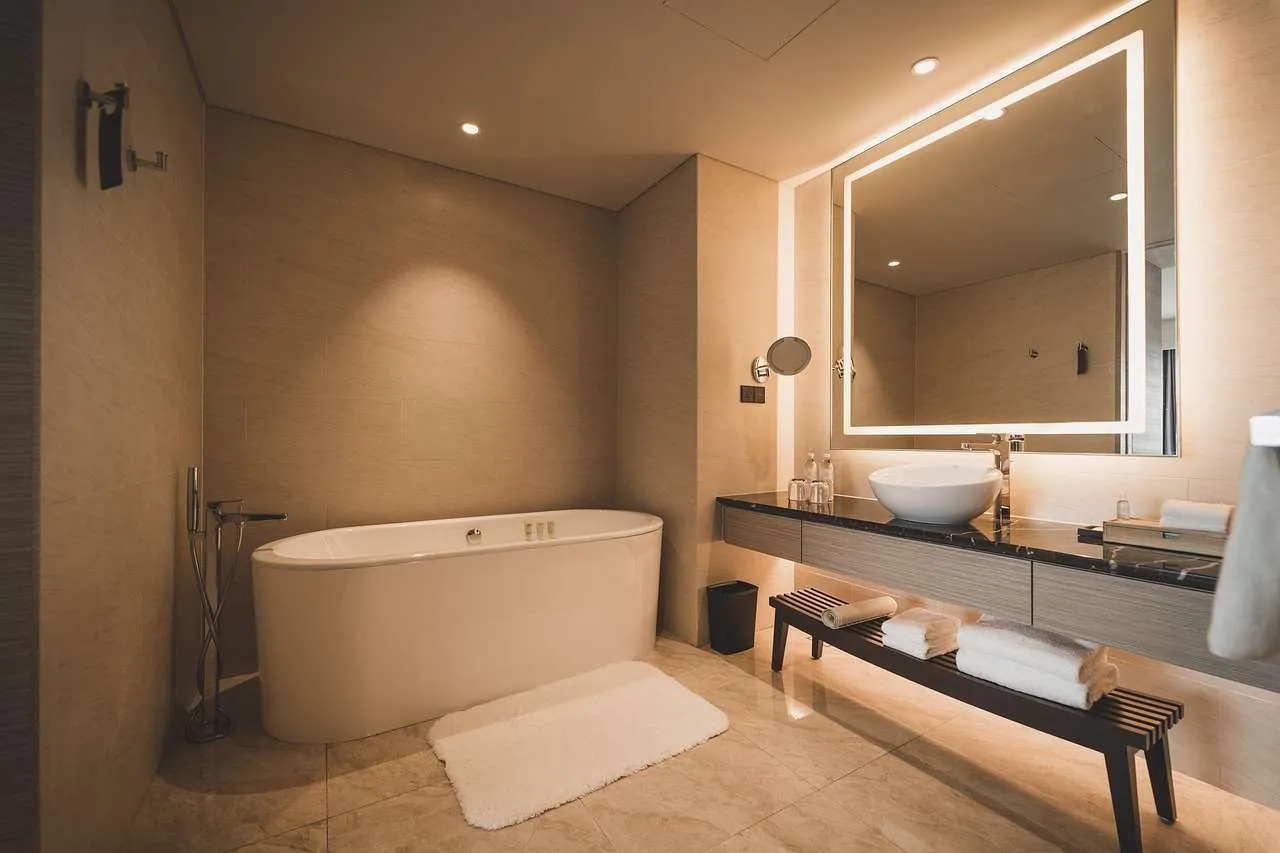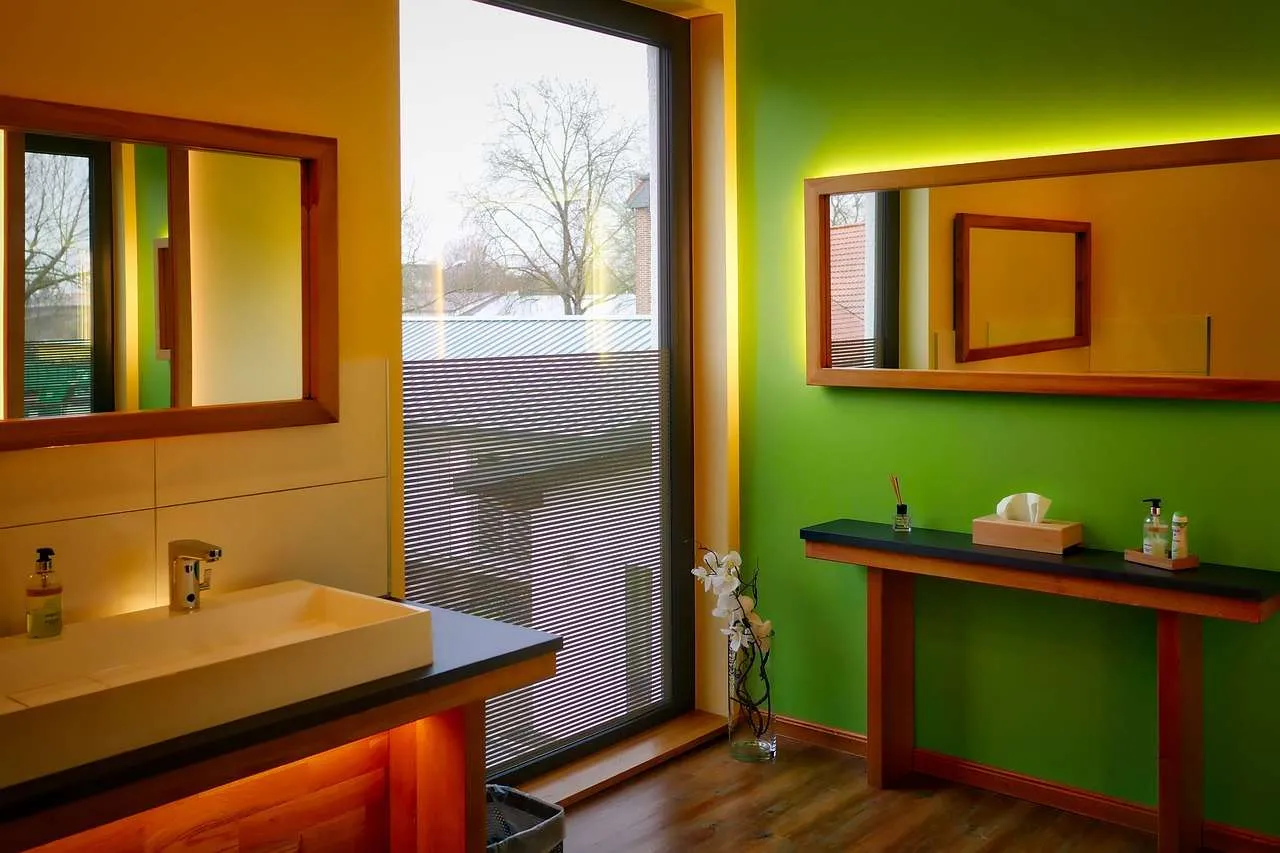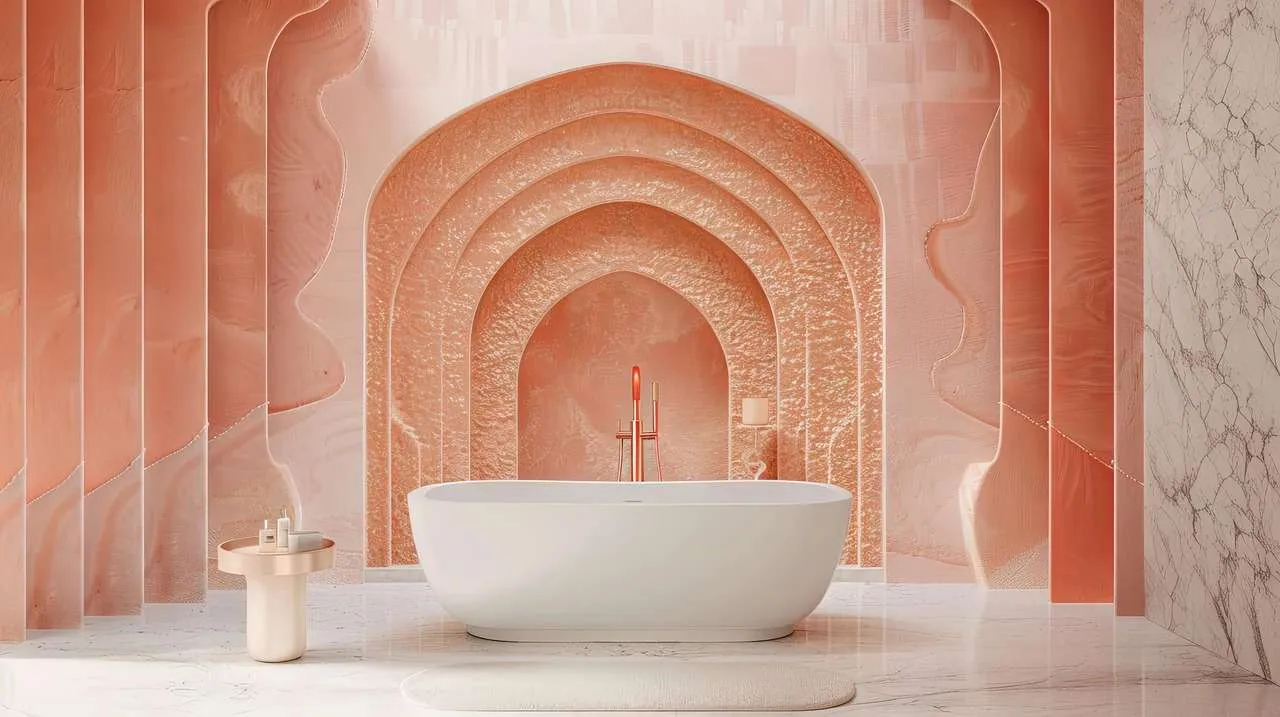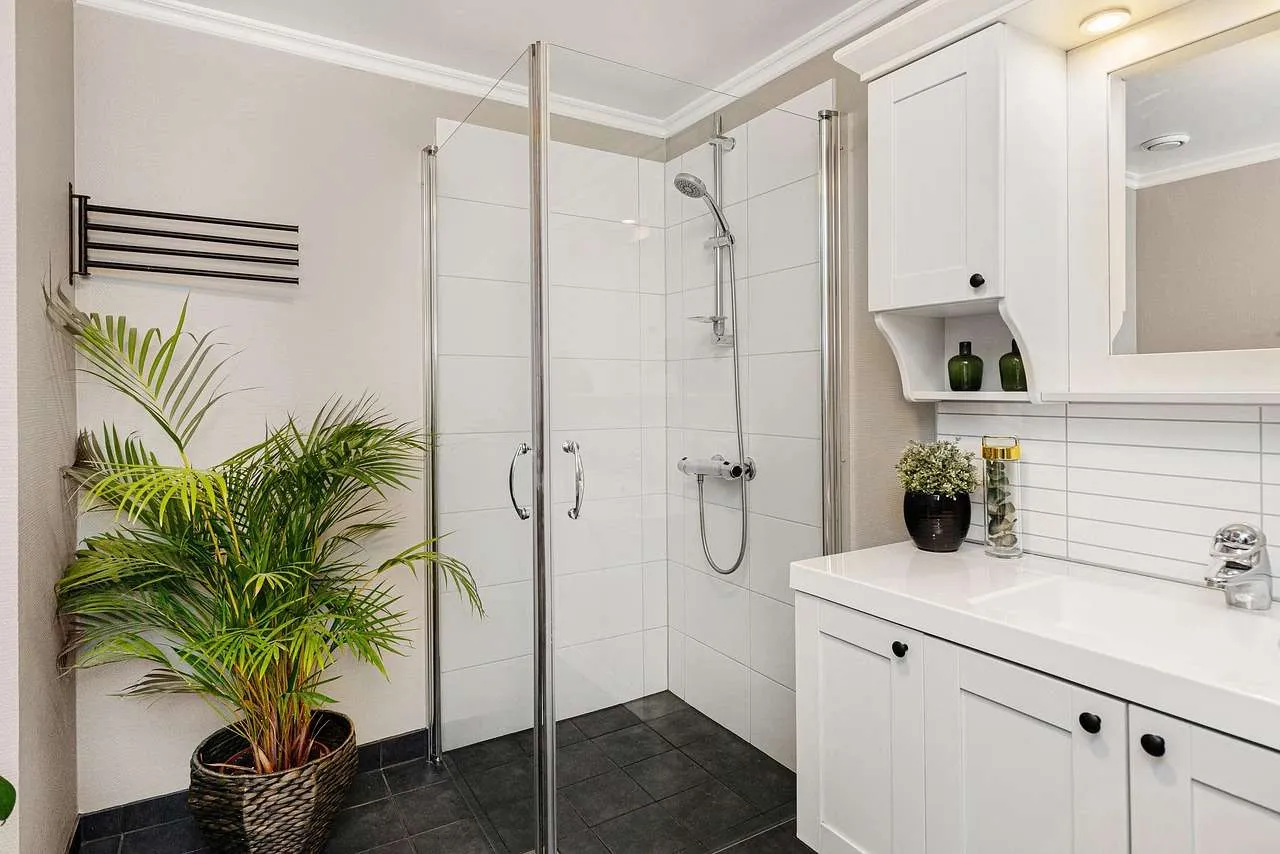
Choosing bathroom tiles is more than picking a pretty pattern. The right tiles withstand moisture, stand up to cleaning products, and create a feeling of space that matches your lifestyle. This guide covers materials, design decisions, installation considerations, and maintenance tips to help you select bathroom tiles with confidence, backed by expert advice and practical steps.
Understanding bathroom tiles: materials, textures, and finishes
In bathrooms, tile materials determine moisture resistance, slip potential, and cleaning frequency. Textures range from glossy to matte to tactile, and finishes can be glazed or unglazed. The porosity of a tile affects where it is best used and how often it should be sealed or cleaned. For bathrooms with moderate wear, prioritize durability and ease of maintenance.
Ceramic vs porcelain vs natural stone
Ceramic tile is fired clay with a glaze and is typically a cost effective choice for walls and light use floors. It glazes well and cleans easily, but its water absorption is higher and it may show wear in high traffic areas. Porcelain tile is a denser form of ceramic with very low water absorption, making it ideal for floors and wet zones where longevity matters. It can be glazed for color or left unglazed for slip resistance. Natural stone such as marble, travertine, or granite offers premium aesthetics but requires sealing and ongoing maintenance to prevent staining and etching. Stones vary in porosity and hardness; consult a stone specialist to establish sealing schedules and compatible cleaners.
| Tile Type | Water Absorption | Durability | Maintenance | Cost | Best For |
|---|---|---|---|---|---|
| Ceramic | Moderate | Moderate | Easy | Low | Walls and light floors |
| Porcelain | Low | High | Moderate | Medium | Floors and bathrooms |
| Natural Stone | High Porosity | Variable | Sealing required | High | Premium look |
| Glass | Low | Medium | Easy | Medium | Back splashes and accents |
Design and layout considerations
Tile design choices influence the perception of space, light, and movement. Large format tiles can make a small bathroom feel bigger by reducing grout lines, while mosaic or smallest patterns add texture and grip for showers. Consider the grout color as a design element; lighter grout yields a seamless look, darker grout creates a defined grid that hides dirt better but requires more maintenance.
Size and pattern options
For floors, larger format tiles such as 12x24 inches or bigger can reduce the number of grout lines, provide a sleek look, and improve cleaning efficiency. In showers and backsplashes, a mix of sizes or a herringbone and hex pattern can add interest. Melange patterns and tile trims should coordinate with the overall color palette and fixtures to create cohesion.
Color and grout choices
Color coordination matters. A monochrome palette creates calm, while contrast between tile color and grout can accentuate details. If you opt for light floors, consider sealing stone or choosing epoxy grout to resist staining. For natural stone, use tinted grout that matches the stone color to minimize visible lines and simplify maintenance.
Installation basics and professional tips
Proper installation is essential for performance and longevity. Work with a licensed installer especially for floor tiles in wet areas. Key steps include preparing a solid substrate, applying a waterproof membrane in showers, using a polymer modified thin set, and allowing full cure before grouting. Plan for expansion joints in large rooms and around irregular fixtures. Avoid thin grout lines on heavy traffic areas to reduce cracking. After installation, seal porous tiles and stone and maintain caulk joints around the perimeter and fixtures as they age.
Maintenance and longevity
Maintenance frequencies depend on tile type and location. Ceramic and porcelain are relatively forgiving with regular sweeping and a non abrasive cleaner. Avoid acidic products on stone and grout; use pH balanced cleaners and reseal stone periodically. Grout sealing should occur soon after installation and be renewed every one to three years depending on wear. In showers, rinse after use and wipe dry to prevent mineral buildup. Replace caulking as needed to prevent water intrusion behind tiles.
Budgeting and sourcing
Budgets vary by material. Ceramic tiles are typically the most affordable option, porcelain offers greater durability at a higher price, and natural stone commands a premium due to appearance and sealing needs. Don’t forget installation costs, which can be significant. Request samples, compare warranties, and verify certifications with reputable suppliers. If possible, inspect previous projects from the installer and insist on a written plan for waterproofing and sealing.
Conclusion, choose materials wisely, plan layout carefully, and maintain grout and sealants to ensure a durable, stylish bathroom.