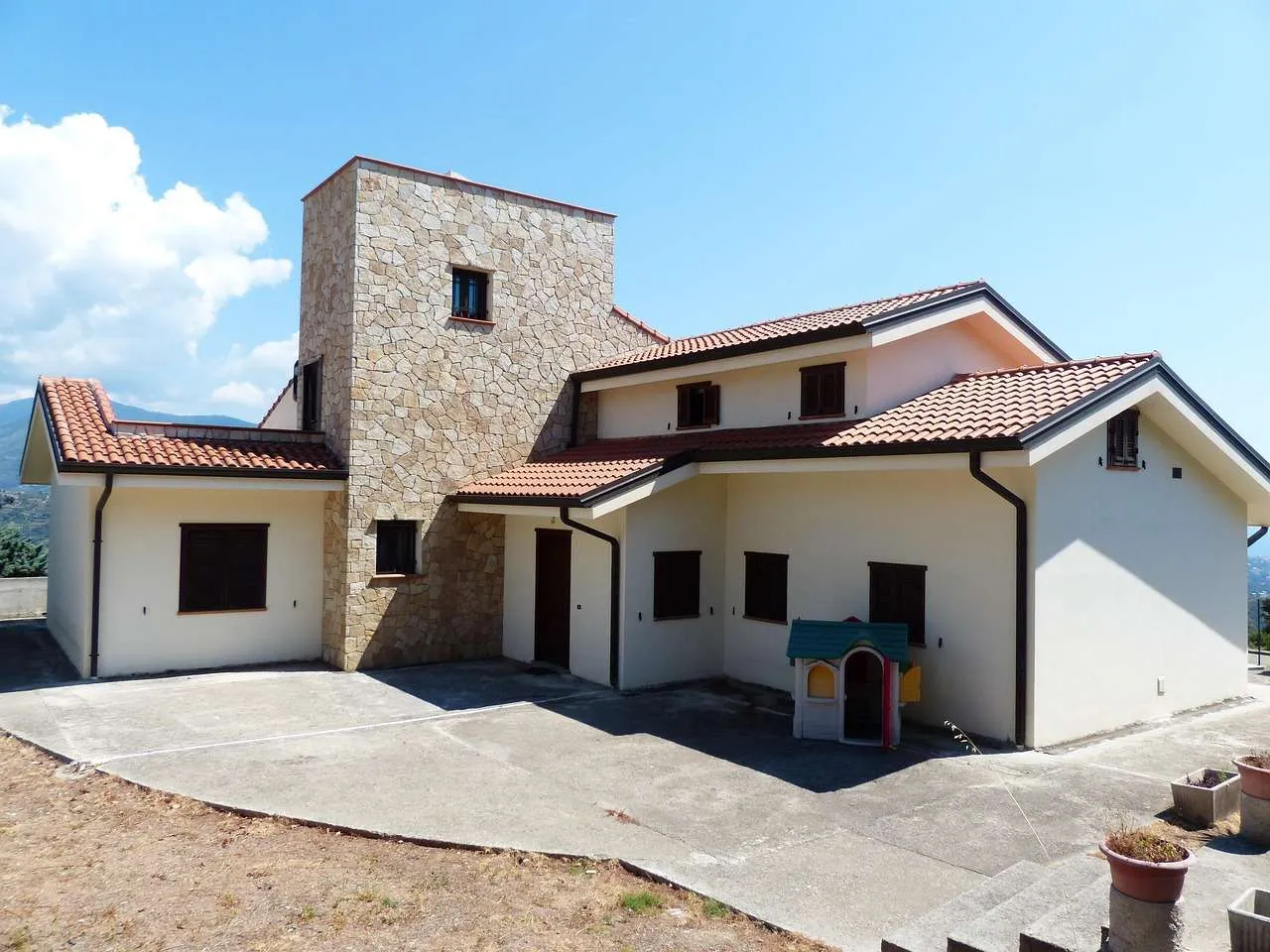
Understanding the repair of roofing
Repair of roofing restores the integrity of the roof system, protecting home interiors, energy efficiency, and property value. This guide explains how to recognize problems, what to expect from repairs, cost considerations, and how to hire a reputable contractor that complies with EEAT principles.
Key causes of roof damage
Over time exposure to sun, rain, wind, and snow weakens roofing components. Aging shingles, damaged flashing, clogged gutters, and improper installation are common culprits. Storm events can create punctures or misalign shingles, while poor maintenance accelerates wear.
Early warning signs
- Missing or curling shingles
- Granules in gutters or downspouts
- Visible leaks on ceilings or attic moisture
- Dark stains or mold in the attic
- Sagging roof deck or sagging ridges (in severe cases)
DIY vs professional repair
Minor fixes, such as clearing debris or resealing small fastener leaks, may be a temporary DIY effort with caution and proper safety gear. However, working on a roof carries fall hazards and requires knowledge of local codes and flashing details. For most repairs, especially in insulated or vented roofs, hiring a licensed, insured contractor is safer and more cost-effective in the long term. Always request proof of license, insurance, and references, and obtain written estimates with itemized work scopes. This approach supports EEAT by ensuring expertise, authority, and trust in the process.
Common repair options by roof type
Asphalt shingle roofs
Shingle repairs typically involve replacing damaged shingles, resealing exposed nails, and repairing or replacing damaged flashing around vents and chimneys. It is essential to match shingle color and profile for a uniform look and to prevent further leaks.
Metal roofs
Metal panels can suffer from loose fasteners, denting, or sealant deterioration. Replacing panels or resealing seams and re-fastening edges can restore performance. Metal roofs often require professional expertise due to corrosion resistance considerations.
Flat or low-slope roofs
Flat membranes, such as EPDM or TPO, can develop punctures or seam failures. Patching leaks, re-seaming edges, or applying new membrane layers are typical repair approaches. Regular inspection of drainage and edge detailing helps prevent standing water.
Inspection and maintenance checklist
Regular inspections catch problems early. Use this quick checklist during each season change or after major storms:
| Item | What to look for | Action |
|---|---|---|
| Shingles | Missing, cracked, curling | Replace damaged shingles |
| Flashing | Rust, cracks, loose | Repair or reseal |
| Gutters | Overflow, clogging | Clean and reinforce |
| Attic | Stains, moisture, mold | Investigate leaks; fix source |
| Drip edges and vents | Corrosion, gaps | Seal or replace |
Cost snapshot and planning
Repair costs vary by problem, roof size, material, and region. The table below provides typical ranges to help with budgeting. Always obtain multiple written estimates and consider long-term value and energy efficiency when choosing a solution.
| Repair Type | Typical Cost Range | Notes |
|---|---|---|
| Shingle replacement (per area) | 150–1000 | Depends on shingle type and extent |
| Flashing repair | 200–900 | Critical for leak prevention near chimneys/vents |
| Leak sealing and minor repairs | 100–600 | Temporary fixes in some cases |
| Flat roof membrane patch | 300–1500 | Typically EPDM/TPO |
| Full roof replacement | 5000–15000 | Long-term solution for aged roofs |
Preventive maintenance to extend roof life
Regular maintenance reduces repair frequency. Clear debris, trim overhanging branches, inspect after storms, ensure attic ventilation, and keep gutters free of leaves. Schedule professional roof inspections every 3–5 years or after severe weather to catch hidden issues before they become costly.
Conclusion, proper evaluation, careful execution, and ongoing maintenance are essential to protect your home and family. Rely on licensed professionals for complex work, document all repairs, and invest in preventive care to protect your home and your family.