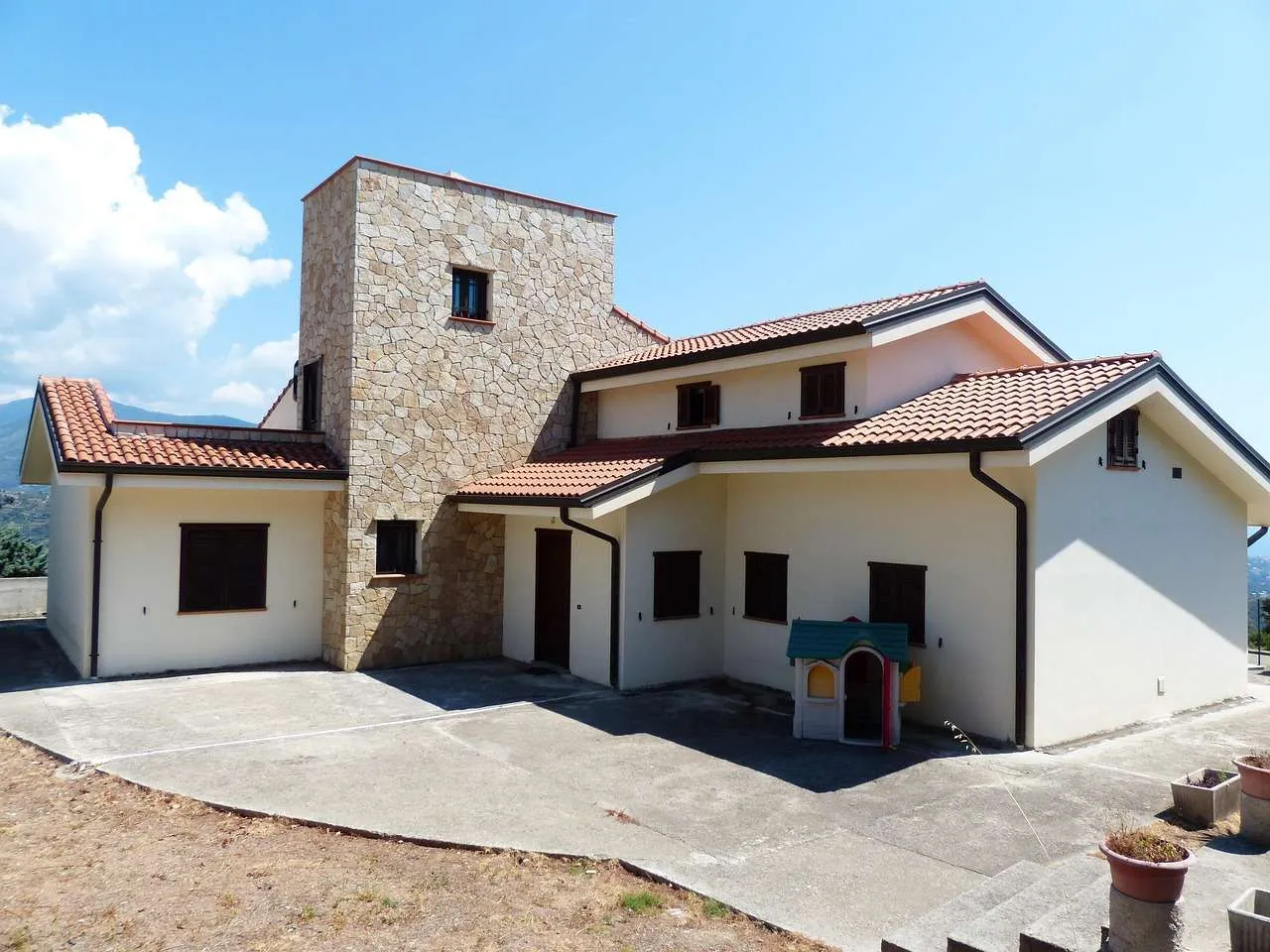
Roofing is more than just a cover; it’s the first line of defense for a home, balancing aesthetics, energy efficiency, and long-term cost of ownership. When something breaks or wears down, timely roof repairs protect interior spaces and preserve property value. This guide blends practical steps with expert insight to help homeowners understand when to repair, how to evaluate options, and how to work with qualified roofers to ensure durable results.
Understanding Roofing: Materials and Systems
In most homes, the roof consists of structural decking, underlayment, and surface roofing material. Common materials include asphalt shingles, metal, clay or concrete tiles, and flat membranes. Each type has different lifespans, repair considerations, and maintenance needs. Asphalt shingles are the most common due to affordability and ease of replacement. Metal roofs excel in durability and energy efficiency, but repairs can be more specialized. Tile roofs offer long life but require careful maintenance to prevent cracking and leaks. Regardless of material, a sound roof relies on proper installation, ventilation, and flashing around chimneys, vents, and skylights.
Signs You Need Roof Repairs
Early detection saves money and prevents water intrusion. Look for missing, curling, or cracked shingles, exposed fasteners, and granule buildup in gutters. Stains on ceilings or walls after rain typically indicate a leak. Moss or algae growth, warped decking, or sagging areas are more serious and warrant prompt inspection. Driving rain with a visible drip is an urgent signal to contact a roofer. Even if damage seems localized, underlying issues such as improper flashing or compromised underlayment may exist and require an experienced assessment.
Repair vs Replacement: Making the Right Decision
Not every roof issue can be, or should be, repaired. The decision depends on age, extent of damage, and the roof’s condition. If the structure is sound, small leaks, isolated shingle damage, and compromised flashing are often manageable with targeted repairs. When damage affects a large area, the roof is near or beyond its expected life, or multiple repairs are required within a short period, replacement may be more cost-effective and reliable in the long term. A professional roofer can assess attic insulation, ventilation, and decking to determine whether a repair will restore performance or if replacement is the prudent choice.
Costs and Budgeting for Roof Repairs
Costs vary by material, location, and accessibility. Typical repair work for asphalt shingles ranges from a few hundred to around a thousand dollars, depending on the extent. More extensive repairs, including replacing flashing or sections of underlayment, can exceed $1,000. Replacement costs depend on roof size and material, with asphalt shingle roofs often between $5,000 and $12,000, metal roofs higher, and tile or flat roofs significantly more. When budgeting, consider added expenses such as attic insulation upgrades, ventilation improvements, and waste disposal. Always obtain written estimates from licensed contractors and verify warranties on both parts and workmanship.
Choosing a Qualified Roofing Contractor
EEAT matters. Look for licensed and insured contractors with a local presence and a track record of quality work. Ask for references, review the contractor’s portfolio, and check license status with the state or local building department. Request written estimates with a detailed scope, material specifications, and a clear warranty on both materials and labor. Confirm that the crew uses proper safety practices and that the contractor adheres to building codes and manufacturer installation guidelines. A reputable roofer will provide a written contract, a project timeline, and a cleanup plan after completion.
Maintenance for Longevity
Proactive maintenance extends the life of roofing and prevents costly repairs. Schedule a professional inspection at least once a year and after major storms. Keep gutters clean and free of debris, ensure downspouts drain away from the foundation, and trim branches that overhang the roof. Regularly inspect flashing around chimneys, vents, and skylights, and address pooling water or ice dam formation in cooler climates. Small repairs done early dramatically reduce the risk of extensive damage later.
Comparison: Quick Reference
| Roof Type | Typical Repair Cost | Replacement Cost | Lifespan |
|---|---|---|---|
| Asphalt shingles | $300–$1,000 | $5,000–$12,000 | 15–30 years |
| Metal | $500–$2,000 | $15,000–$40,000 | 40–70 years |
| Clay/Concrete Tile | $600–$2,500 | $20,000–$40,000 | 50–100 years |
| Flat membrane | $400–$1,500 | $8,000–$20,000 | 15–25 years |
Conclusion
Conclusion, timely roof repairs protect structure, save energy, and extend roof life. By assessing damage, choosing the right option, hiring a licensed contractor, and establishing a maintenance routine, homeowners achieve durable results and value for their investment.